
Weekly academic research summary

IN THE NEWS: This summary curates the key policing-related research that's been published online in the last week, with links to the original journal articles, and selected abstracts.


OPINION: The impact of knife attacks on police officers can be catastrophic - and life-threatening. So why are unarmed officers sent to deal with a lethal threat? Serving officer West Coast Response outlines the case for sending armed officers to deal with edged weapons, and asks why this is not done as a matter of course.


OPINION: Leadership and wellbeing are both key areas for policing, and this month Northamptonshire Constabulary hosted a major event looking at both. Dr Ian Hesketh reports back from the conference and the spirit of optimism pervading the event.

ANALYSIS: Research shows that 'hate crime' - being abused or attacked because of personal identity - can have a powerful emotional effect. But for police officers, it's often regarded as part of the job. Dr Irene Zempi outlines police experiences of abuse, and calls for a debate about the proper response to the targeted victimisation of officers.

Interview: The number of women killed at the hands of their partners or ex-partners in the UK is truly shocking. Between 2009 and 2015, men killed nearly 1,000 women and girls. In two-thirds of those cases, the perpetrator knew his victim. Polly Neate, CEO of Women's Aid, tells Tina Orr Munro the service needs to do more to tackle the problem.

ANALYSIS: The third of a monthly series in which CoPaCC's Sandra Andrews takes a look at some of the most interesting and topical issues that Police and Crime Panels across England and Wales are dealing with. This month, Sandra looks at PCP websites, with a focus on the London approach, plus how North Yorkshire and Avon and Somerset are dealing with cybercrime.

OPINION: In November, Prof. Maurice Punch wrote that authorised firearms officers were being left to 'carry the can' for the use of lethal force. Simon Chesterman, the National Police Chief's Council lead for armed policing, responds to Prof. Punch's article, and argues that command accountability is as robust as it can be under the current law.

analysis: Sixteen years ago, I interviewed a custody officer who, tired of waiting for the much delayed NSPIS Case Preparation and Custody IT system, worked with a supplier to develop his own version for his force. The experience summed up Police IT then and for many years to come.

interview: The sight of drug addicts huddled in the shadows or of streets littered with used syringes is hardly a vision of utopia. After 30 years as a police officer, rising through the ranks to inspector, Arfon Jones, now Police and Crime Commissioner for North Wales, has plenty of first-hand experience seeing the ravages of drug use on both individuals and local communities.


OPINION: A recent Accenture survey of 165 technology leaders within police, justice and intelligence agencies found that financial constraints, increased citizen expectations, and the need to modernise operations are driving the increasing use of digital technologies. James Slessor of Accenture unpacks the results of the survey, and outlines some of the groundbreaking directions public safety agencies are exploring.

OPINION: Policing faces unprecedented challenges as we move into the new year. Chief Superintendent John Sutherland outlines those challenges, and calls for our response to those challenges to begin with care and regard for those who stand on the thin blue line.
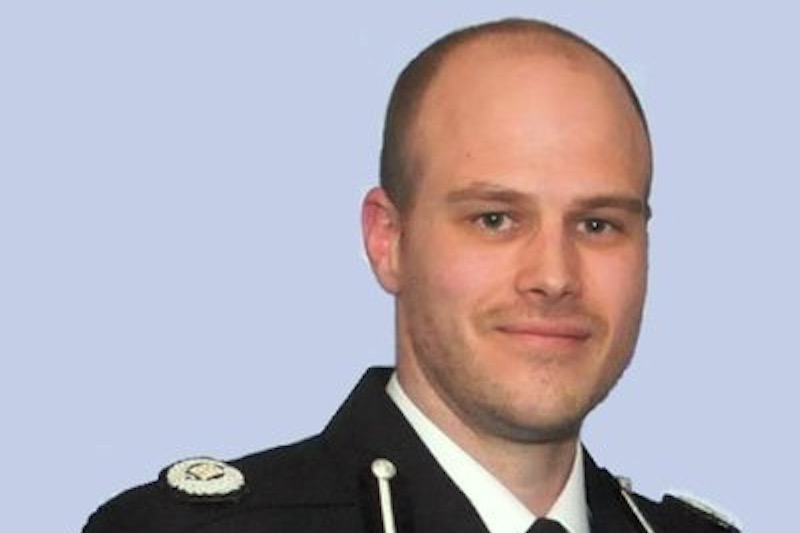
OPINION: The news that Durham Special Constabulary is to begin rolling out new rank insignia sparked a fierce debate on social media as to whether the change was needed. Dale Checksfield, Chief Officer of Durham Special Constabulary, makes the case for Specials to be fully integrated into the police family, including training, qualifications - and rank.

LONG READ: The mass retention of data, even for the prevention of terrorism and serious crime, needs to be carefully justified. However, when it comes to Automatic Number Plate Recognition (ANPR), there appears to be a gap in the oversight regime. Professor Lorna Woods of Essex University warns that police use of ANPR data is exposed to legal challenge, with potentially serious consequences.

ANALYSIS: For the first time in 100 years, the Office of National Statistics has begun to issue crime statistics that include a measure of harm. Mark Bangs, Deputy Head of Crime Statistics at the ONS, explains more about the new Crime Severity Statistics - and how you can get involved.

OPINION: In many recent controversies involving the police, the voices of officers have been barely heard. In this second of two articles, Sandra Andrews of CoPaCC talks to an officer with direct experience of being spat at, and the emotional and physical ramifications of his experience.

 31st December 2016
NEWS: The New Year Honours lists for 2017 recognise the achievements and service of extraordinary people across the United Kingdom. Many congratulations to those in and associated with policing who have been recognised this year...
OPINION: In many recent controversies involving the police, the voices of officers have been barely heard. Sandra Andrews of CoPaCC calls for urgent attention to be paid to the perspectives of police officers, particularly on issues - such as spit guards - that directly affect their physical and emotional welfare.

ANALYSIS: Many people believe that eyewitness identification is inherently unreliable, and this belief is reflected in scholarly articles, textbooks, and juror briefings. Laura Mickes argues that not only are eyewitness IDs potentially more reliable than commonly assumed, but that small changes to criminal justice procedure could significantly increase the reliability of such testimony.

ANALYSIS: This is the second of a monthly series where CoPaCC's Sandra Andrews takes a look at some of the most interesting and topical issues that Police and Crime Panels across England and Wales are dealing with. This month, Sandra looks at discussion in Essex of work to tackle gangs and organised crime, plus examines discussion of the establishment of a "National Association of Police and Crime Panels"

OPINION: Should public services focus only on 'pulling people out of the water'? In the second of two blogs, Brendan O'Brien of Bluelight Consultancy describes Asset-Based Community Development, and how it can potentially prevent people from falling in the water in the first place.


