
Weekly academic research summary
IN THE NEWS: This summary curates the key policing-related research that's been published online in the last week, with links to the original journal articles, and selected abstracts.
NEWS: This conference marks the end of a three year funded research programme supported by the ESRC and UK College of Policing to support the What Works Centre for Crime Reduction. Key speakers include: Alex Marshall, CEO of the College of Policing; David Halpern, National Adviser on What Works, Cabinet Office; Professor Malcolm Sparrow, Harvard University; Sara Thornton, Head of the National Police Chiefs' Council.
OPINION: Promotion has never been easy - but increasingly some officers find it no longer an attractive proposition at all. Ben Ewart of bselected examines the promotion landscape and how officers might begin to find it an exciting opportunity once again.
OPINION: "We need both legislative change in Westminster, and we need MPs to lend their political support to Chief Constables to make spit guards available to their officers". Holly Lynch MP writes exclusively for Policing Insight on her work in Parliament and elsewhere in support of police officers' use of spit guards.
OPINION: "OSPRE Part 1 has done a disservice to a generation of officers by squandering a wealth of talent, and failing to capitalise on the unfulfilled potential that exists on the front line." Leadership coach and former ACC Brian Langston argues for the scrapping of OSPRE Part 1 as an outmoded memory test.
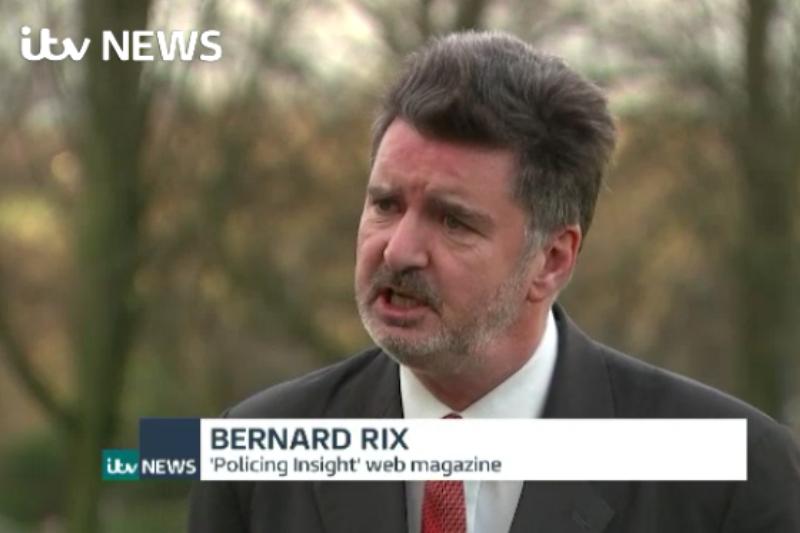
OPINION: Bernard Rix, CoPaCC Chief Executive and Policing Insight Publisher, draws on the first day of the Police ICT Summit to examine why the Police ICT Company has substantial challenges ahead, and calls on PCCs and Chief Constables to show that they support the Company in its work.
Analysis: The unveiling by the College of Policing (CoP) of a new Police Education Qualifications Framework (PEQF) last month prompted some strong reactions and a heated debate, with the announcement that by 2020 all new recruits would be educated to degree level (either before joining the service, or during their first three years in the job) proving the most controversial issue.
OPINION: The impact of knife attacks on police officers can be catastrophic - and life-threatening. So why are unarmed officers sent to deal with a lethal threat? Serving officer West Coast Response outlines the case for sending armed officers to deal with edged weapons, and asks why this is not done as a matter of course.
OPINION: Leadership and wellbeing are both key areas for policing, and this month Northamptonshire Constabulary hosted a major event looking at both. Dr Ian Hesketh reports back from the conference and the spirit of optimism pervading the event.
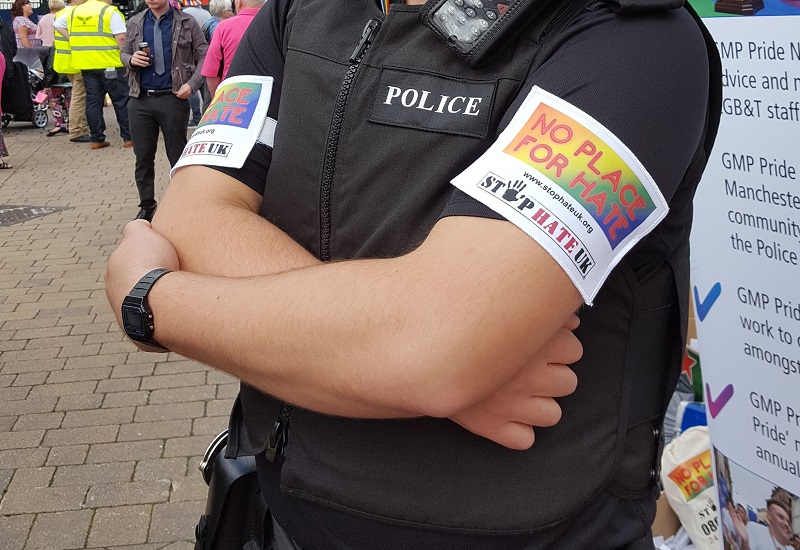
ANALYSIS: Research shows that 'hate crime' - being abused or attacked because of personal identity - can have a powerful emotional effect. But for police officers, it's often regarded as part of the job. Dr Irene Zempi outlines police experiences of abuse, and calls for a debate about the proper response to the targeted victimisation of officers.
Interview: The number of women killed at the hands of their partners or ex-partners in the UK is truly shocking. Between 2009 and 2015, men killed nearly 1,000 women and girls. In two-thirds of those cases, the perpetrator knew his victim. Polly Neate, CEO of Women's Aid, tells Tina Orr Munro the service needs to do more to tackle the problem.
ANALYSIS: The third of a monthly series in which CoPaCC's Sandra Andrews takes a look at some of the most interesting and topical issues that Police and Crime Panels across England and Wales are dealing with. This month, Sandra looks at PCP websites, with a focus on the London approach, plus how North Yorkshire and Avon and Somerset are dealing with cybercrime.
OPINION: In November, Prof. Maurice Punch wrote that authorised firearms officers were being left to 'carry the can' for the use of lethal force. Simon Chesterman, the National Police Chief's Council lead for armed policing, responds to Prof. Punch's article, and argues that command accountability is as robust as it can be under the current law.
analysis: Sixteen years ago, I interviewed a custody officer who, tired of waiting for the much delayed NSPIS Case Preparation and Custody IT system, worked with a supplier to develop his own version for his force. The experience summed up Police IT then and for many years to come.

interview: The sight of drug addicts huddled in the shadows or of streets littered with used syringes is hardly a vision of utopia. After 30 years as a police officer, rising through the ranks to inspector, Arfon Jones, now Police and Crime Commissioner for North Wales, has plenty of first-hand experience seeing the ravages of drug use on both individuals and local communities.
OPINION: A recent Accenture survey of 165 technology leaders within police, justice and intelligence agencies found that financial constraints, increased citizen expectations, and the need to modernise operations are driving the increasing use of digital technologies. James Slessor of Accenture unpacks the results of the survey, and outlines some of the groundbreaking directions public safety agencies are exploring.
OPINION: Policing faces unprecedented challenges as we move into the new year. Chief Superintendent John Sutherland outlines those challenges, and calls for our response to those challenges to begin with care and regard for those who stand on the thin blue line.
OPINION: The news that Durham Special Constabulary is to begin rolling out new rank insignia sparked a fierce debate on social media as to whether the change was needed. Dale Checksfield, Chief Officer of Durham Special Constabulary, makes the case for Specials to be fully integrated into the police family, including training, qualifications - and rank.