Weekly academic research summary
IN THE NEWS: This brand-new summary will curate the key policing-related research that's been published online in the last week, with links to the original journal articles.
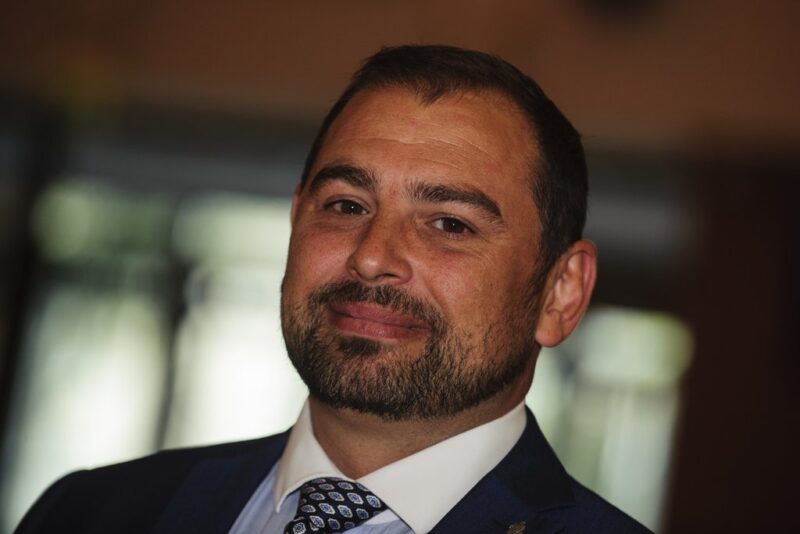
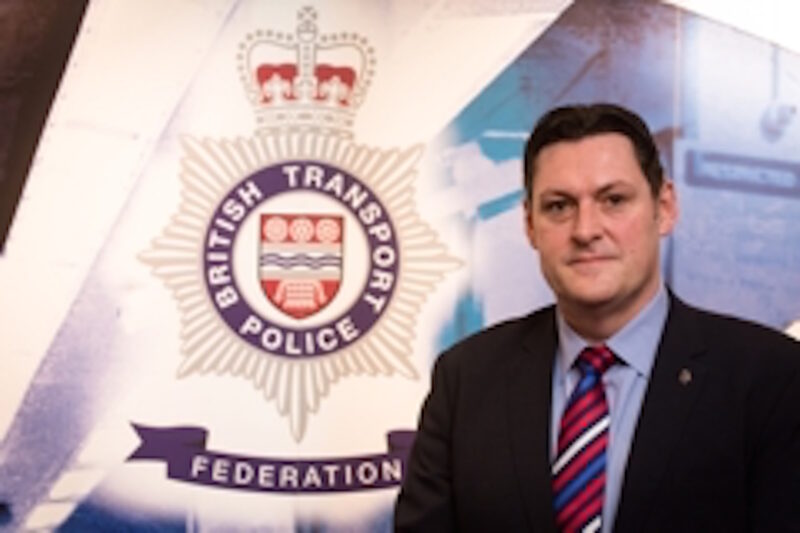
New Report: Published today, the new thematic report from CoPaCC collates views and analysis on the implications of Brexit for policing and security. Contributors including Sir Hugh Orde, PCC Martyn Underhill and PSAEW President Gavin Thomas highlight the key areas of concern.
OPINION: A number of stories have emerged in the press over recent weeks referring to police officers accused of sexual misconduct as 'sex pests'. Martin Holleran, former serving officer and now Senior Lecturer in Policing Studies at York SJ, takes issue with this terminology, and calls for a cultural transformation of the police service.
OPINION: The Operational Research Society is dedicated to applying advanced analytical methods to help make better decisions. Sue Merchant and Ian Seath, committee members of the OR Society’s Criminal Justice special interest group, describe some recent operational research projects in policing and criminal justice.
ANALYSIS: A collaborative project between Durham Constabulary and the University of Sheffield has undertaken an exploratory study of extending the use of restorative justice practices in new and innovative ways. The project represented the first pilot of the N8PRP’s Staff Exchange scheme. Xavier L'Hoiry of the University of Sheffield and Nikki D'Souza of Durham Constabulary outline their early findings.
ANALYSIS: Between 2011 and 2015 the Police Foundation undertook research in two English towns, Luton and Slough. In their third paper dealing with partnership working, published earlier this month, they suggest that, though multi-agency case management can achieve strong local support, it doesn't always achieve its aims. Russell Webster examines the Police Foundation's research and its implications.
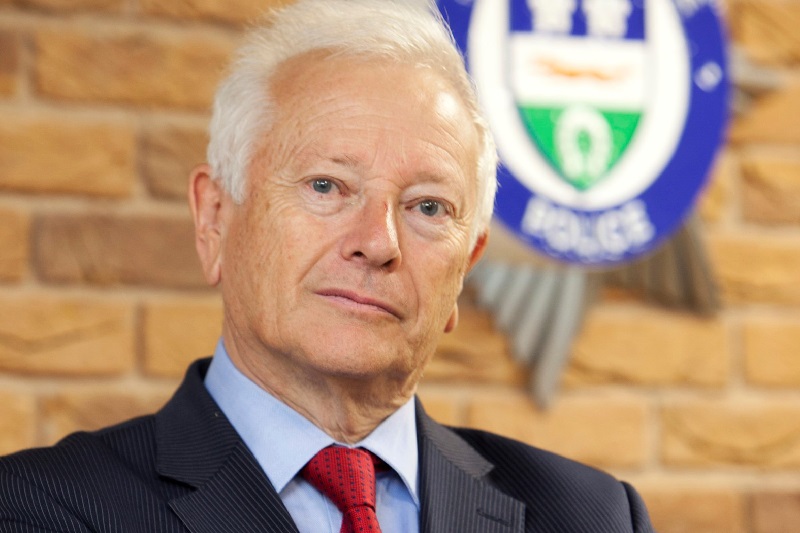
OPINION: What will the police forces of the future look like, and how will we get there? Sussex Chief Constable Giles York, NPCC lead for Workforce, makes the case for change in the recruitment and development of police officers, in order to build a workforce more reflective of the skills and competencies needed for the modern police service.
OPINION: British policing is structured around the local, but criminals aren’t constrained by lines on maps, so the police can’t afford to be either. Sara Thornton, Chair of the National Police Chiefs' Council, outlines her vision of future for specialised services, as the NPCC publishes its recommendations to Chief Constables and Police and Crime Commissioners.
OPINION: Is promotion through the ranks perceived as a game? In August, @wecops ran a Twitter debate hosted by Inspector Gareth Stubbs (@DedicatedPeeler) on 'The Police Promotion System'. Neil James of @bselectedpolice summarises the debate and discusses some of the key issues raised.
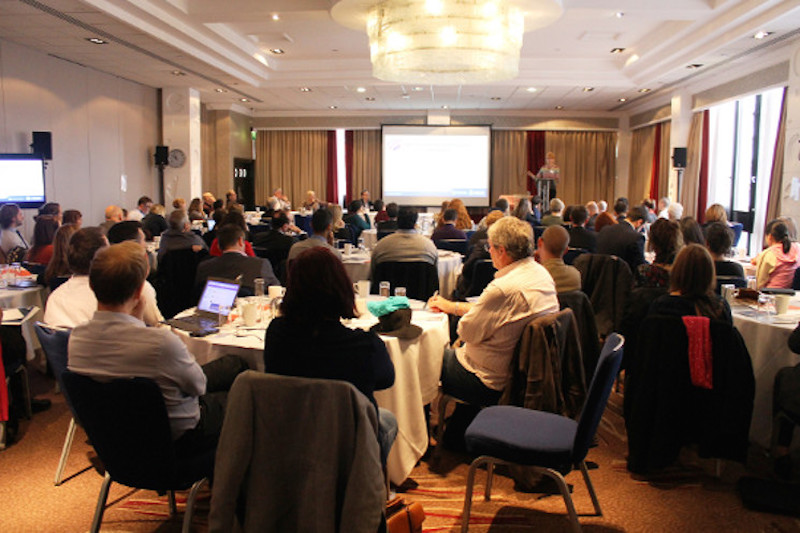
NEWS: Taking place in Birmingham on Thursday, 20th October 2016, this is the fifth national Police and Crime Panel conference, organised by Frontline Consulting and sponsored by Grant Thornton. Bernard Rix, CoPaCC's Chief Executive, provides a LiveBlog
OPINION: Increasing threats to LGBT events and venues has led to the cancellation and lockdown of such celebrations worldwide. Jo Arundale, chair of the Devon and Cornwall police LGBT network, reflects on this newly dangerous facet of radicalisation and explores some of the options for countering the threat.
OPINION: Bernard Rix, CoPaCC's Chief Executive, reflects on the Body Worn Video seminar at the University of Cambridge's "Festival of Ideas", and asks how many forces are ready to make changes to their complaints handling processes.
OPINION: ‘Vulnerable’ is one of the most frequently used words in policing today. Ch Supt Paul Griffiths, Vice President of the Police Superintendents' Association of England and Wales, considers policing's approach to vulnerable individuals.
OPINION: Part of the role of @wecops since its inception has been to provide a way for front line officers to have an open debate about key issues - and for that to be picked up by senior leadership. Last week's debate on the National Crime Agency (NCA) offered exactly that opportunity. Emma Williams of Canterbury Christ Church University summarises the debate, hosted by Director General of the NCA Lynne Owens.
OPINION: Is the criminal justice system stuck in the 19th century? Sussex PCC Katy Bourne looks at how PCCs have made their presence felt since taking over from Police Authorities in November 2012, and explains how she is using her power and influence to give victims and witnesses access to swifter justice.
ANALYSIS: Police forces are increasingly pursuing digital transformation, and encouraging more web-based interaction between police and the public. But how secure are the websites on which those interactions are taking place? Rory Geoghegan of the Centre for Public Safety assesses the state of UK police forces' public-facing digital infrastructure.
NEWS: CoPaCC's annual review to determine how well PCCs' Offices are meeting their statutory responsibilities on transparency is well under way. This year's Quality Mark presentations will take place on Monday, 28th November, with support again from the Committee on Standards in Public Life and leading police auditor Grant Thornton.
ANALYSIS: Body-worn cameras for police officers are being rolled out globally, but until recently, limited evidence was available as to their effects. In one of the largest randomised-controlled trials in criminal justice history, the University of Cambridge and RAND Europe have recently published several papers looking at the new technology - with some surprising results. Alex Sutherland of RAND Europe outlines the findings and their implications.