
CoPaCC’s 2016 review of PCC and OPCC Transparency
NEWS: Bernard Rix, CoPaCC Chief Executive, provides details of CoPaCC's 2016 examination of PCCs' and OPCCs' transparency

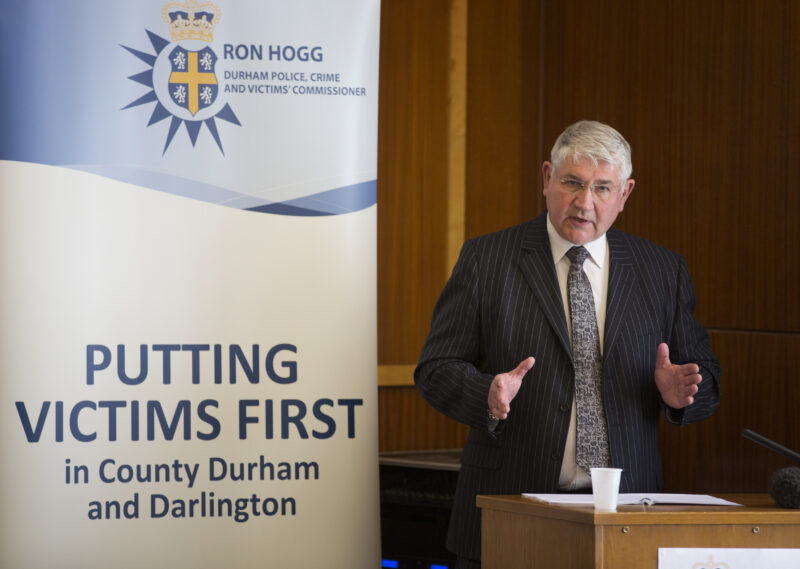
OPINION: Should drug addicts be treated as victims themselves? Research suggests that prescribing pharmaceutical heroin can reduce the use of street drugs and associated levels of crime. Ron Hogg, former senior police officer, now Durham’s Police, Crime and Victims Commissioner, argues that this isn't going soft on drugs, but going sensible.
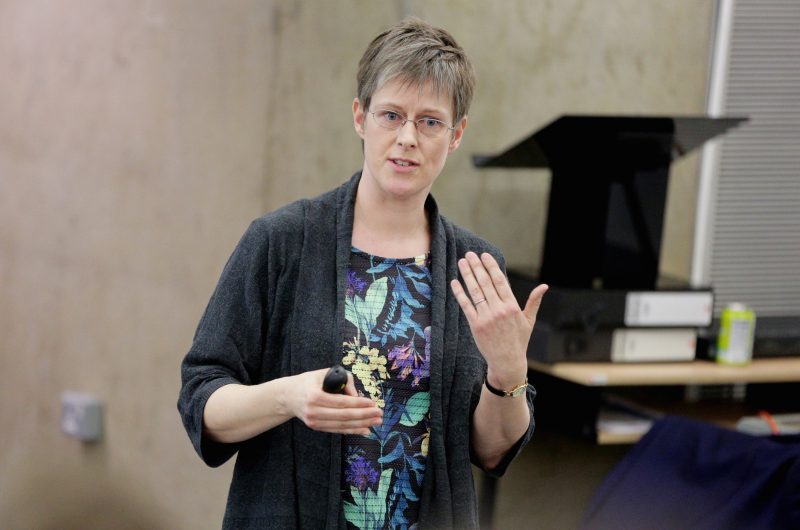
ANALYSIS: Last week, the Daily Mail published a story claiming Chief Constables were raking in huge salaries and benefits at the public expense. Cate Moore explores the story behind the headlines, and finds little true investigation and even less accuracy - and warns that a race to the bottom benefits nobody.
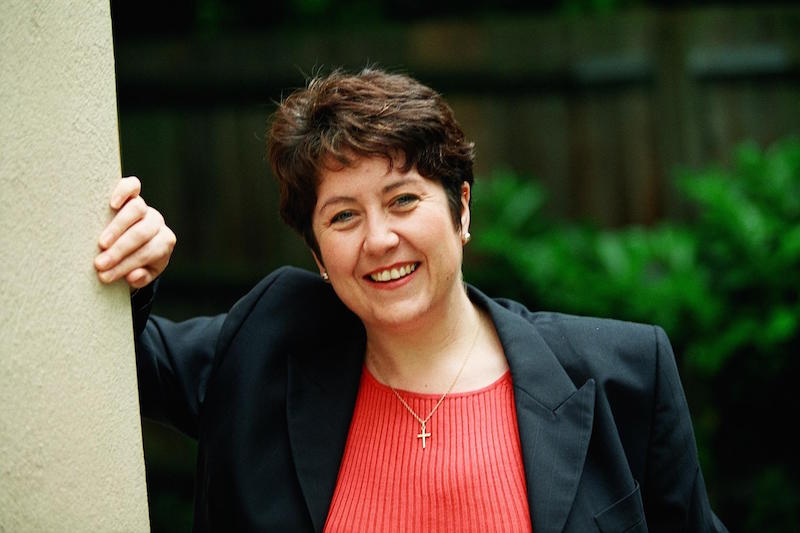
OPINION: The first hundred days of a new PCC are overwhelmingly busy and full of meetings and helpful advice. But few of these will directly address the most important aspects of making a success of the job. Karen Drury looks at the relationships, and the necessary managing of conflict, needed to keep the show on the road.
OPINION: David Jamieson, PCC for the West Midlands, argues that the proposed model for the new mayor of the West Midlands Combined Authority is weak and not fit for purpose, and calls for the CA to pause, reflect, and review the role.
OPINION: The latest NFU report on rural crime showed marked variations in some crime types and between local force areas. But which interventions are working? Nick Alston, former Essex PCC and now Chair of the newly launched Policing Institute for the Eastern Region, calls for more research into what works to reduce rural - and other - crime.
ANALYSIS: Controversial predictive tools for offender management are increasingly being used in the US to determine sentencing. Marion Oswald (Winchester University) and Jamie Grace (Sheffield Hallam University) examine the use of algorithmic risk assessment tools, and call for an open debate in the UK about where the red lines should be.
OPINION: How should 'blue light' services communicate with the people they serve? Dan Slee examines the work that comms teams in the Fire and Rescue Services have been doing to get their life-saving messages across, and what lessons there are for other public services.
EXCLUSIVE: Lord Willy Bach, the first serving parliamentarian to be elected as a Police and Crime Commissioner, talks about the learning curve for PCCs, appointing a deputy, and why 'blue light' mergers could leave the Fire Service as the poor relation.
OPINION: Arfon Jones, newly elected PCC for North Wales and one of the first two Plaid Cymru PCCs, talks about his background as a police officer, the Home Office's obsession with crime statistics, and his focus on domestic violence and youth justice.
ANALYSIS: With the newly elected PCCs coming to the end of their first 80 days in the job, what lessons might there be from the first set of incumbents? Dr Matthew Davies of RAND Europe outlines the findings of his report, Driving accountability from within: Key lessons for newly elected Police and Crime Commissioners.
OPINION: What does 'confidence' in policing really mean? Dr Kevin Morrell of Warwick Business School is taking a year's fellowship to explore the ramifications of 'confidence' and to open up dialogue and to develop fresh insights into public confidence in the police.
ANALYSIS: Police and Crime Panels were set up to scrutinise Police and Crime Commissioners, but how successful have they been? Former senior police officer Roy Bailey finds that a lot of work needs to be done to make PCPs more effective in their key role of holding PCCs to account.
OPINION: New PCC for Derbyshire Hardyal Dhindsa talks to Policing Insight about diversity, mental health, fire mergers, and his pledge to visit all 383 towns and villages in Derbyshire to reach out to the county's different communities.
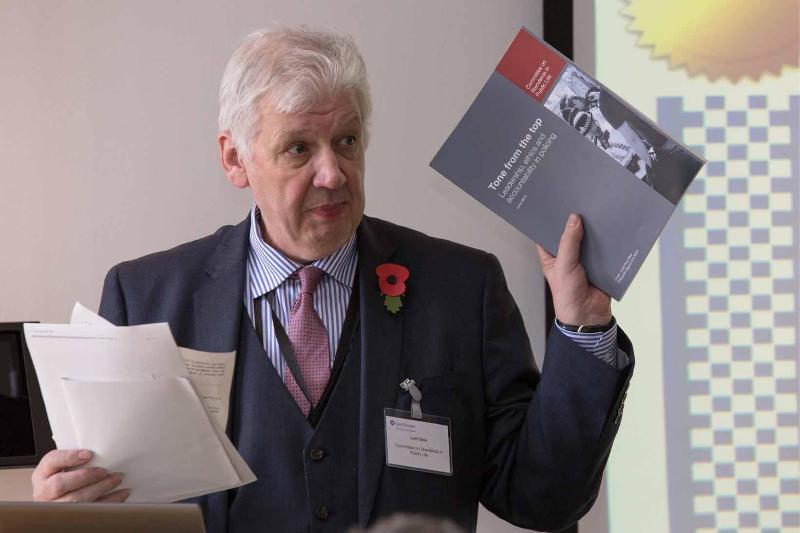
OPINION: Lord Bew is the Chair of the Committee on Standards on Public Life to the Prime Minister. The Committee’s remit is to suggest changes to help promote and maintain the seven ‘Nolan’ principles of public life – integrity, accountability, selflessness, objectivity, openness, honesty and leadership. All public office holders, including PCCs, are expected to live up to them.
OPINION: Jason Ablewhite was elected in May as Cambridgeshire's new Police and Crime Commissioner. He describes his first month on the job - the lessons he's learned and the challenges he sees in the years ahead.
ANALYSIS: The shocking murder of Jo Cox MP has brought into sharp focus the personal safety of MPs, PCCs and other political representatives. Carina O'Reilly looks at how we balance the protection of our democratic representatives with preserving their accessibility to the people they serve.
ANALYSIS: PCCs are overwhelmingly white and male, but what about the people they employ? Sandra Andrews of CoPaCC analyses the diversity of the staff that make up the Offices of the PCCs - and finds that transparency as well as diversity remain challenging issues.

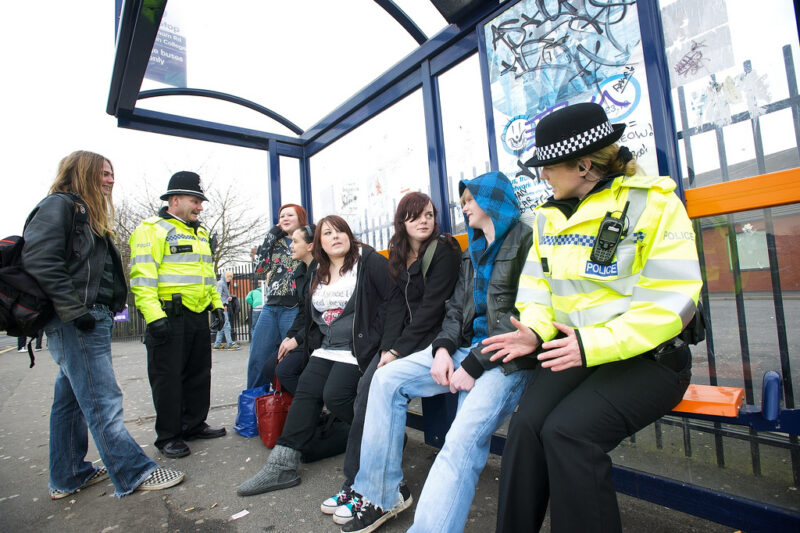
ANALYSIS: What can be achieved and delivered by volunteers in policing? In the sixth of our blogs celebrating volunteers' week, Dr Matt Callender of the University of Northampton outlines two exciting new research projects aimed at understanding the activities and skills of Special Constables.
OPINION: Colin Pipe was the first (and so far the only) Deputy Police and Crime Commissioner to hold office as a volunteer. In the fifth of our blogs celebrating Volunteers' Week, he argues that service - and therefore volunteering - should be at the heart of everything that PCCs do.