
Weekly Media Monitor summary

IN THE NEWS: Our new-look Weekly Review, drawing on our popular Media Monitor database, picks up the key news stories and reports of the week, and explains why they matter to you.


OPINION: The latest NFU report on rural crime showed marked variations in some crime types and between local force areas. But which interventions are working? Nick Alston, former Essex PCC and now Chair of the newly launched Policing Institute for the Eastern Region, calls for more research into what works to reduce rural - and other - crime.


OPINION: The Curtis Review on the use of targets in policing was published in December 2015, but little actual change appears to have taken place. Simon Guilfoyle revisits the debate and calls once more for the fundamental transformation of performance management in the police service.
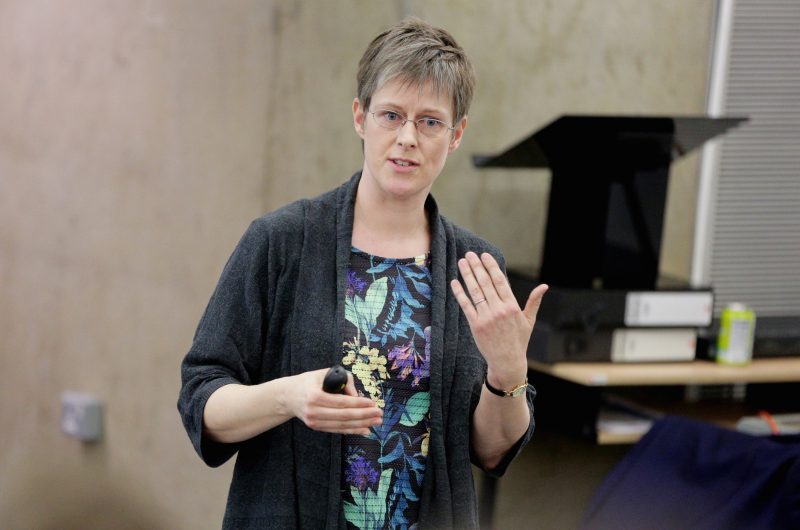
ANALYSIS: Controversial predictive tools for offender management are increasingly being used in the US to determine sentencing. Marion Oswald (Winchester University) and Jamie Grace (Sheffield Hallam University) examine the use of algorithmic risk assessment tools, and call for an open debate in the UK about where the red lines should be.

EXCLUSIVE: Lord Willy Bach, the first serving parliamentarian to be elected as a Police and Crime Commissioner, talks about the learning curve for PCCs, appointing a deputy, and why 'blue light' mergers could leave the Fire Service as the poor relation.
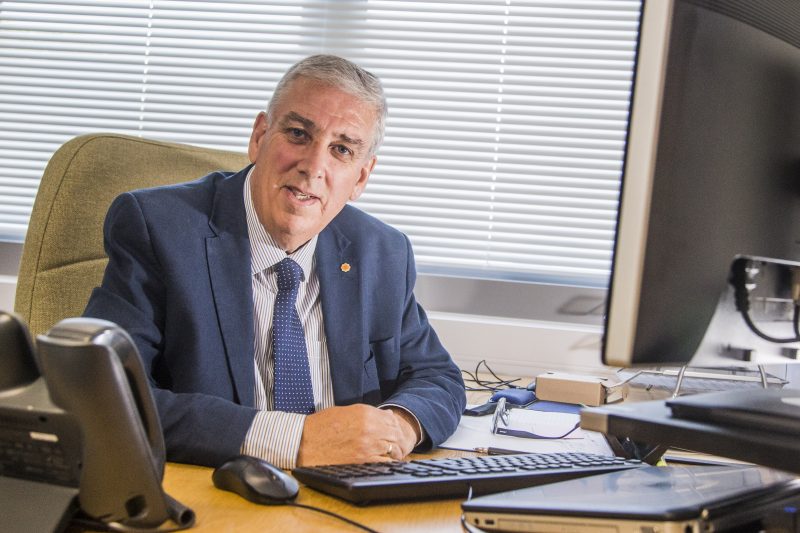
OPINION: Arfon Jones, newly elected PCC for North Wales and one of the first two Plaid Cymru PCCs, talks about his background as a police officer, the Home Office's obsession with crime statistics, and his focus on domestic violence and youth justice.


ANALYSIS: Rick Muir, Director of the Police Foundation, identifies a wide set of challenges faced by police, and argues that tackling those deep rooted problems associated with these challenges cannot be undertaken by the police alone.

ANALYSIS: With the newly elected PCCs coming to the end of their first 80 days in the job, what lessons might there be from the first set of incumbents? Dr Matthew Davies of RAND Europe outlines the findings of his report, Driving accountability from within: Key lessons for newly elected Police and Crime Commissioners.



OPINION: What does 'confidence' in policing really mean? Dr Kevin Morrell of Warwick Business School is taking a year's fellowship to explore the ramifications of 'confidence' and to open up dialogue and to develop fresh insights into public confidence in the police.

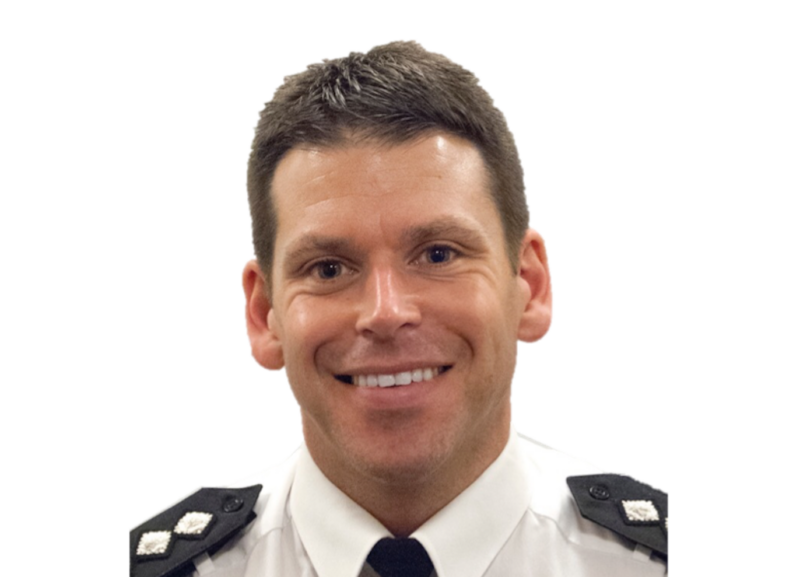
ANALYSIS: As the full ramifications of the recent Brexit vote become clear, Chief Inspector Lee Gosling explores the potential impact of a complete withdrawal from the EU on UK pan-European policing functions, outlining how each aspect of co-operation with Europe currently works, and how it will need to be unravelled or replaced.
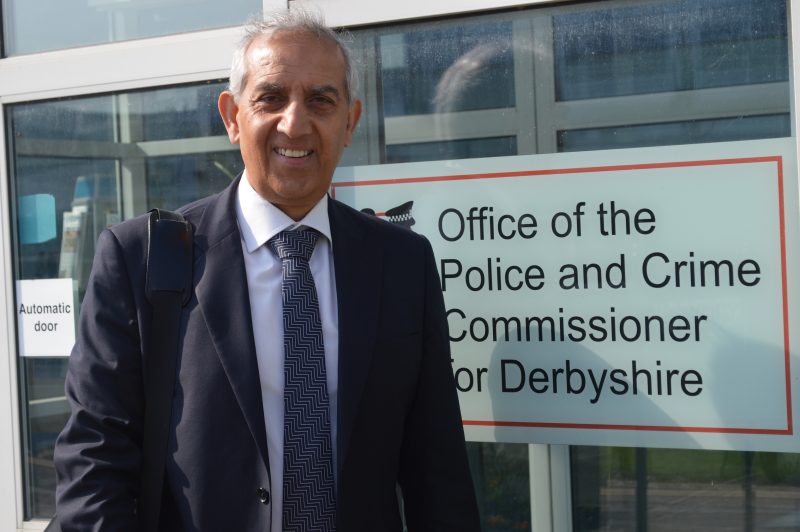
OPINION: New PCC for Derbyshire Hardyal Dhindsa talks to Policing Insight about diversity, mental health, fire mergers, and his pledge to visit all 383 towns and villages in Derbyshire to reach out to the county's different communities.

OPINION: Much of the UK's security is dependent upon its ability to work in co-operation with partners. The recent referendum and the potential departure of the UK from the EU poses a danger to that work. Former Greater Manchester ACC Ian Wiggett unpicks the ramifications of Brexit, and warns that it will take a lot of effort by political leaders to ensure that co-operation is not damaged.
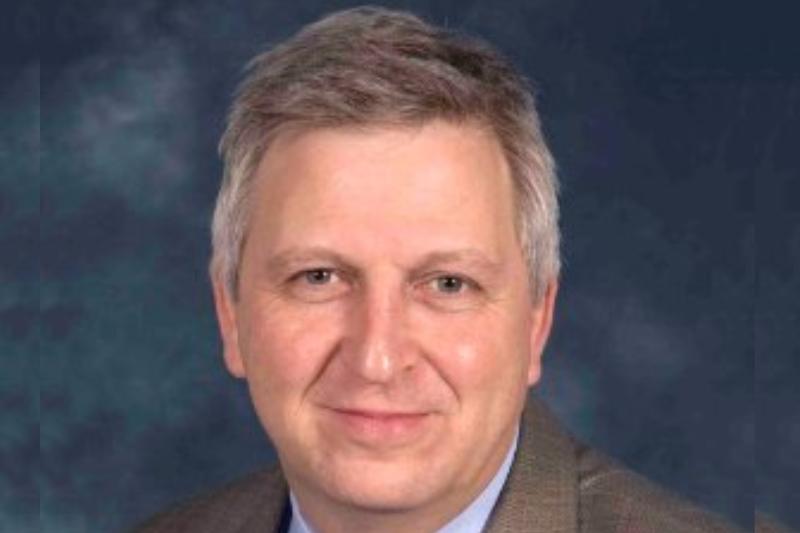
OPINION: What will the referendum mean for policing? Chief Superintendent Gavin Thomas, President of the Police Superintendents’ Association of England and Wales, explores the challenges and the possibilities of the unchartered waters ahead.
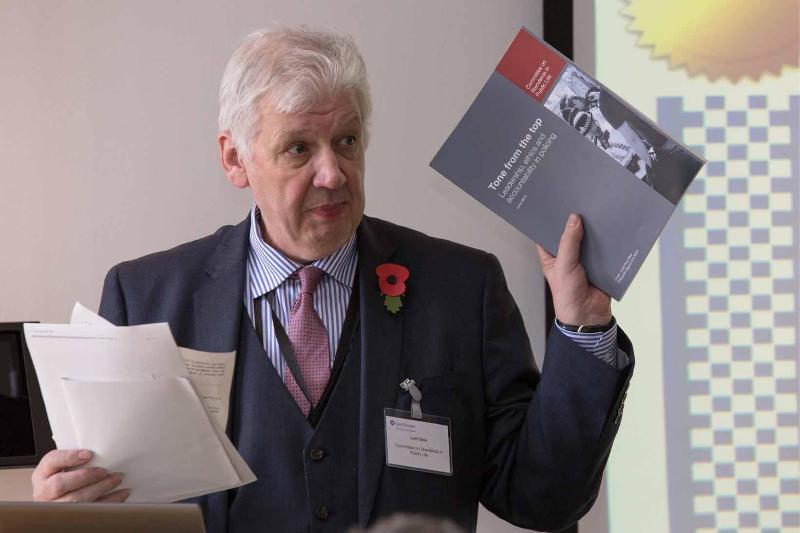
OPINION: Lord Bew is the Chair of the Committee on Standards on Public Life to the Prime Minister. The Committee’s remit is to suggest changes to help promote and maintain the seven ‘Nolan’ principles of public life – integrity, accountability, selflessness, objectivity, openness, honesty and leadership. All public office holders, including PCCs, are expected to live up to them.


