

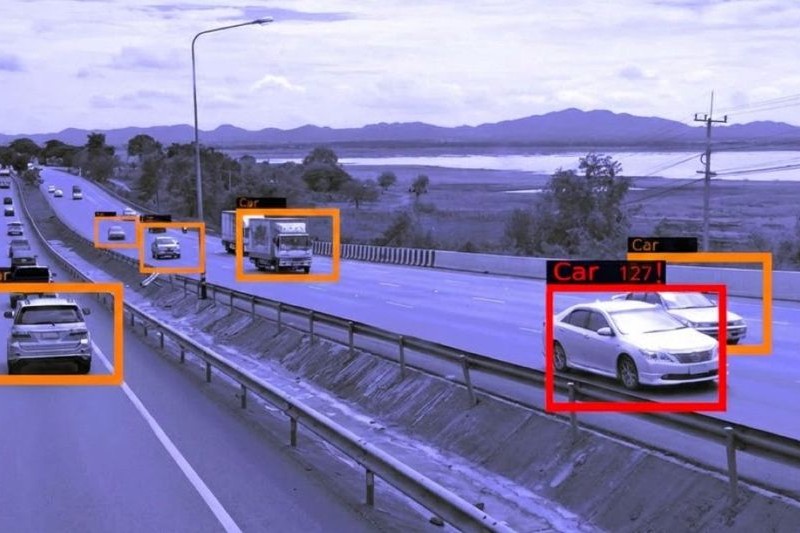
AI-powered visual analysis to identify objects and context in video and images shifts a manual, error-prone process to a dynamic source of operational insight.
Object recognition automates rote tasks such as scanning for images of narcotics or weapons, identifying suspicious items that appear out of place, or flagging concealed objects to surface visual evidence, helping scale investigative capacity with technology instead of headcount.
Object recognition automates rote tasks such as scanning for images of narcotics or weapons, identifying suspicious items that appear out of place, or flagging concealed objects to surface visual evidence, helping scale investigative capacity with technology instead of headcount. It also detects bits of significance that might be missed by a human observer. These capabilities are part of the multi-faceted AI solution integrated into the SS8 Intellego XT platform to transform massive structured and unstructured datasets into actionable intelligence at scale, including in real time.
Older approaches relied on batch‑oriented computer vision based on brittle rules and rigid feature definitions, and they struggled with anything outside their narrow training parameters. Objects partially obscured or photographed under poor lighting could evade detection, while false positives forced analysts to spend time validating or discarding alerts. Deep learning models interpret complex scenes with far greater nuance, with millions of reference examples helping them recognize objects from multiple angles, under varied lighting, and when partially concealed.
Contextual interpretation can automatically distinguish anomalous objects such as a parcel left unattended near a high-value target during a political event and flag them with high accuracy and speed. AI models ingest live feeds, identify relevant objects, and surface alerts to reduce the burden on human teams and accelerate investigative timelines. Analysts are supported by systems that filter noise and highlight what matters, so they can interpret and hypothesize at greater capacity.
AI‑enabled dominion over visual data
Investigations often involve tens of thousands of images, many hours of video, and cross‑domain intelligence from a universe of other sources. Visual AI makes reviewing this material viable, helping analysts prioritize what requires human attention and surfacing connections that would otherwise remain buried.
Visual AI also enables large‑scale re-examination of historic evidence, including cases where it may never have been fully analyzed due to resource constraints.
AI‑driven anomaly detection highlights objects that appear unexpectedly, recurring items linked to multiple scenes, or visual patterns that correlate with known behaviors. It can bolster identity profiles by detecting objects such as a specific backpack, scar, or tattoo across disparate sources, linking together data from public cameras, social media posts, and seized devices. AI models trained on unique features can track individuals across large datasets, even when traditional facial recognition is unavailable or inappropriate.
Visual AI also enables large‑scale re-examination of historic evidence, including cases where it may never have been fully analyzed due to resource constraints. Object recognition may uncover hidden patterns or associations, such as a vehicle of current interest appearing near historic crime scenes in old surveillance footage. That insight could reshape investigative hypotheses, identify overlooked accomplices, or expose long‑running operational patterns.
AI‑based review of imagery also protects analysts from lasting psychological effects from the trauma of repeated exposure to scenes involving violence, exploitation, or child sexual abuse materials (CSAM). Machine algorithms can perform triage, classification, and filtering, reducing exposure to human teams. This approach aligns with SS8’s ongoing collaboration with the Internet Watch Foundation (IWF), highlighting how automated visual interpretation can reduce analyst harm while increasing operational impact.
The visual AI contribution to location intelligence
Visual AI adds a complementary layer of environmental inference to the network‑based signals, device telemetry, and metadata that drive location intelligence. Analyzing qualities such as lighting, foliage, architecture, signage, and clothing can contribute information about where a visual source originated. For example, the angle of sunlight in a photo can help determine the approximate time of day and cardinal orientation. Foliage types and clothing styles may indicate a specific climate zone or season. Building materials, window shapes, or street furniture can provide valuable geospatial hints.
Looking forward, emerging AI capabilities will further enhance the ability of object recognition and visual interpretation to complement location intelligence.
AI models trained on large image libraries make this type of analysis possible, including everything from the wallpaper patterns and furniture arrangements used by certain hotel chains to architecture and natural features such as mountain ranges, coastlines, or vegetation patterns. Curated, normalized collections of publicly available images from social media, travel sites, mapping platforms, and other online sources can train models that recognize hyper‑local features down to neighborhood‑level street imagery. As the libraries grow in size and number, the precision and reliability of the visual geolocation insights they offer continues to improve.
As a complement to the broader lawful intelligence data universe available to investigators, these visual insights create a rich foundation for AI‑driven geolocation. Looking forward, emerging AI capabilities will further enhance the ability of object recognition and visual interpretation to complement location intelligence. Biometrics such as facial recognition, when used appropriately and within legal frameworks, will complement object recognition by linking individuals to locations, events, and networks. Additional layers of interpretation and context generated by AI tools and capabilities will contribute to an integrated, multimodal analysis model that unifies visual and geospatial data to produce faster, more accurate outcomes for investigators.
To find out more about SS8’s leading lawful and location intelligence solutions, visit www.SS8.com
About SS8 Networks
As a leader in Lawful and Location Intelligence, SS8 is committed to making societies safer. Our mission is to extract, analyze, and visualize critical intelligence, providing real-time insights that help save lives. With 25 years of expertise, SS8 is a trusted partner of the world’s largest government agencies and communication providers, consistently remaining at the forefront of innovation.
Discovery is the latest solution from SS8. Provided as a subscription, it is an investigative force multiplier for local and state police to fuse, filter, and analyze massive volumes of investigative data – in real time.
Intellego® XT monitoring and data analytics portfolio is optimized for Law Enforcement Agencies to capture, analyze, and visualize complex data sets for real-time investigative intelligence.
LocationWise delivers the highest audited network location accuracy worldwide, providing active and passive location intelligence for emergency services, law enforcement, and mobile network operators.
Xcipio® mediation platform meets the demands of lawful intercept in any network type and provides the ability to transcode (convert) between lawful intercept handover versions and standard families.
To learn more, contact us at [email protected] or follow us on LinkedIn or X @SS8