
Mayoral Election 2024: Greater Manchester
PCC Elections
POLICE FORCE FOCUS: Responsibility for policing was taken by the office of the elected mayor of the Greater Manchester Combined Authority in 2016.

POLICE FORCE FOCUS: The election for the first York and North Yorkshire Combined Authority Mayor will take place on Thursday 2 May 2024. The powers of the Police, Fire and Crime Commissioner to oversee the Police and Fire services in York and North Yorkshire will be transferred to the new Mayor once elected, along with the Commissioner’s role as the Fire Authority.
POLICE FORCE FOCUS: The election for the South Yorkshire Combined Authority Mayor will take place on Thursday 2 May 2024. The powers of the Police and Crime Commissioner to oversee the Police services in South Yorkshire will be transferred to the new Mayor once elected.
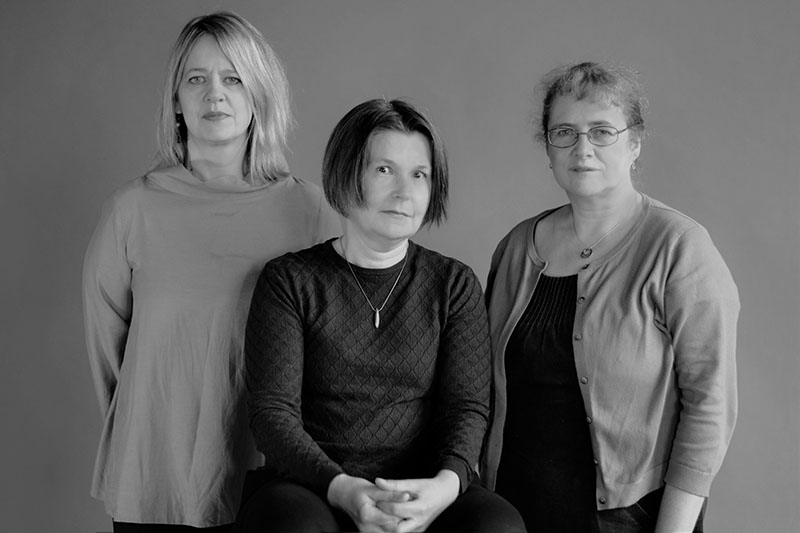
OPINION: The debate around gender identity principles and their impact on police guidance and processes is proving challenging for UK public sector organisations including policing; but Dr Kath Murray, policing researcher and part of the MurrayBlackburnMackenzie policy analysis collective, believes Police Scotland’s approach to the gender identity debate – driven in part by a risk-averse culture reflecting its difficult start and recent controversies – will prove particularly problematic for the force and the community.
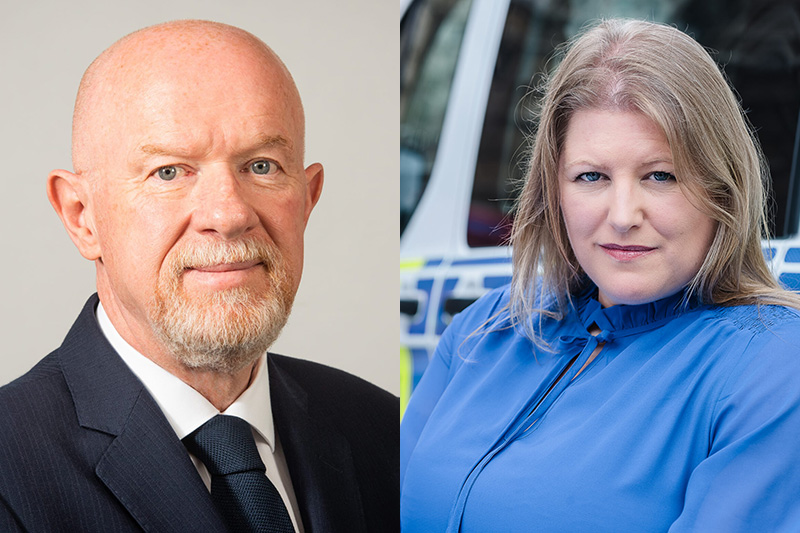
ANALYSIS: Policing Insight’s Ian Weinfass reveals how many candidates have applied for each of the top jobs in policing in England and Wales over the past three years, and finds out what the likes of HM Chief Inspector of Constabulary Andy Cooke, Association of Police and Crime Commissioners Chair Donna Jones and others believe this shows about the state of the process.
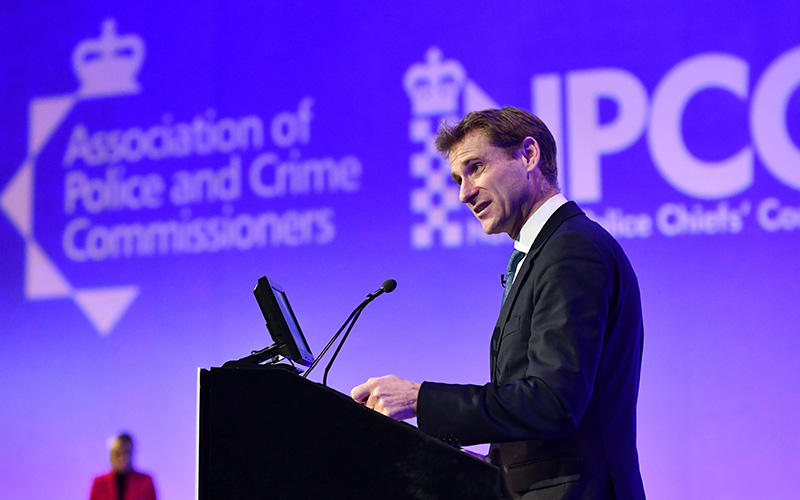
FEATURE: Artificial intelligence was a major item on the agenda at this month’s Association of Police and Crime Commissioners and National Police Chiefs’ Council Partnership Summit, where a panel including Policing Minister Chris Philp, National Police Chief Scientific Adviser Professor Paul Taylor, West Yorkshire Deputy Mayor Alison Lowe, and Professor Marion Oswald of the Alan Turing Institute explored how this technology will transform policing, as Policing Insight’s James Sweetland reports.
ANALYSIS: A new study from Crest Advisory on the impact of devolving justice approaches to local areas has highlighted the positive outcomes of initiatives aimed at reducing reoffending and supporting specific vulnerable groups in four case study areas, with particular success for “whole-system approaches” delivered under police and crime commissioner and mayoral protocols, as Policing Insight’s Sarah Gibbons reports.
INTERVIEW: Policing Insight’s Ian Weinfass spoke to HM Chief Inspector of Constabulary in Scotland, Craig Naylor, about how he approaches his role at the inspectorate, the challenges in Police Scotland as it turns 10 years old, and the similarities and differences with policing and the inspectorate in England and Wales.
FEATURE: Following the statement by Police Scotland Chief Constable Sir Iain Livingstone that the force is “institutionally racist and discriminatory”, a new report finds that the culture in Scotland’s single force is plagued by misogyny and sexism – with female staff paying the price, as Policing Insight’s James Sweetland reports.
FEATURE: A photographic approach to enabling young people to talk about their community – part of a series of studies on policing ‘seldom-heard groups’ published by Police Scotland, the Scottish Institute for Policing Research and the Scottish Police Authority – has offered a fresh perspective and greater insight into one of Scotland’s more deprived communities, as Policing Insight’s Sarah Gibbons reports.
FEATURE: A report into the policing of care-experienced and LGBTQI+ young people in Scotland – part of a series of studies on policing ‘seldom-heard groups’ published by Police Scotland, the Scottish Institute for Policing Research and the Scottish Police Authority – has recommended changes to police training, declaring being care experienced as a ‘protected characteristic’, and adopting a ‘policing with empathy’ approach, as Policing Insight’s Sarah Gibbons reports.
FEATURE: The authors of a new report – the second in a series of five on policing ‘seldom-heard groups’ published by Police Scotland, the Scottish Institute for Policing Research and the Scottish Police Authority – have highlighted greater visibility and engagement, better cultural awareness and more funding among the key steps to building better relationships between Police Scotland and refugee and asylum seeker communities, as Policing Insight’s Sarah Gibbons reports.
ANALYSIS: While the Casey Review focused on the shortcomings of London’s Metropolitan Police, other forces around the UK have their own challenges in relation to equality, diversity and inclusion; Criminal Justice Lecturer Dr Ali Malik argues that Police Scotland, the UK’s second largest force after the Met, has plenty of work to do to address concerns around racism, misogyny and bullying within its ranks.
ANALYSIS: The authors of a new report – the first in a series of five on policing ‘seldom heard groups’ published by Police Scotland, the Scottish Institute for Policing Research and the Scottish Police Authority – have called for more to be done to overcome the challenges of policing people with multiple social identities and characteristics such as race, religion, sexuality and disability, as Policing Insight’s Sarah Gibbons reports.
OPINION: The recent final report of the Baroness Casey Review into standards of behaviour and internal culture in the Metropolitan Police Service included findings of “institutional racism, misogyny and homophobia”, and of a force that is “losing its way”; ahead of a virtual panel exploring these issues later this month, former Met and West Midlands officer Ron Winch, now Senior Teaching Fellow in Policing at Birmingham City University, looks at what needs to be done to get the force and policing back on course.
OPINION: As a veteran of the lengthy stakeouts of heroin dealers, cultivation of informants, and the stitches, lost teeth and broken bones that come with the war on drugs, former Police Scotland superintendent Martin Gallagher believes it’s time for international agreement that the failed war should be over – and for co-operation and collaboration in putting together a more effective plan for peace.
FEATURE: The criminal justice system’s treatment of victims of rape and serious sexual offences has long been recognised as deeply flawed, with policing playing a significant part in this; a new study published by academics from three UK universities raises concerns about the phenomenon of ‘rape myth acceptance’ among those tasked with investigating these serious crimes, as Policing Insight’s James Sweetland reports.
FEATURE: The latest report into use of force by the Police Service of Northern Ireland (PSNI) has recommended reconsidering the issuing of firearms to all officers, and restricting the use of Tasers; but the Police Federation has warned that such moves would lead to more officers being attacked and injured, particularly with the continuing terrorist threat, as Policing Insight’s Sarah Gibbons reports.
ANALYSIS: While significant steps have been taken to improve Police Scotland’s response to domestic abuse, a new thematic review of the issue by HM Inspectorate of Constabulary in Scotland has highlighted outdated and problematic attitudes to the crime, substantial pressure on resources, and significant delays in securing digital evidence that are hampering that response, as Policing Insight’s Sarah Gibbons reports.
OPINION: This month saw the appointment of a new Commissioner and Acting Deputy Commissioner for the Metropolitan Police Service, the UK’s biggest police force; Martyn Underhill, a former Met police officer who served as Dorset Police and Crime Commissioner from 2012-2021, believes the new leadership team will have to make some swift and fairly radical changes to address the key challenges affecting public confidence and performance in the force.
INTERVIEW: A recent survey highlighted issues around harassment and a “toxic” working environment for some members of the Toronto Police Service, as well as opportunities to address those issues and rebuild trust within the organisation; Toronto Police Association President Jon Reid spoke to Policing Insight Contributing Editor Sarah Gibbons about the findings of the survey, the challenges for both uniform and civilian staff, and the importance of creating a safe and comfortable workplace.
OPINION: As the London Police Services Board in Ontario prepares to call on Canada’s federal government to add femicide to the criminal code – and with other police boards indicating their support for the move – Professor Myrna Dawson of the University of Guelph says introducing femicide-specific legislation would be a crucial first step in reducing the crisis of violence against women and girls.
INTERVIEW: As terrorists continue to find new and creative ways in which to use the internet to progress and promote their violent and extremist causes, cyber expert Professor Stuart Macdonald, Director of the Cyber Threats Research Centre (CYTREC) at Swansea University, spoke to Policing Insight’s Andrew Staniforth about ways in which how police officers can engage, support, and participate in research to investigate terrorism and the use of social media.