Application of AI in policing
Philip D. Lukens, a policing AI expert and innovative chief of police, explores some of the opportunities and challenges around the use of artificial intelligence to create positive change in law enforcement.
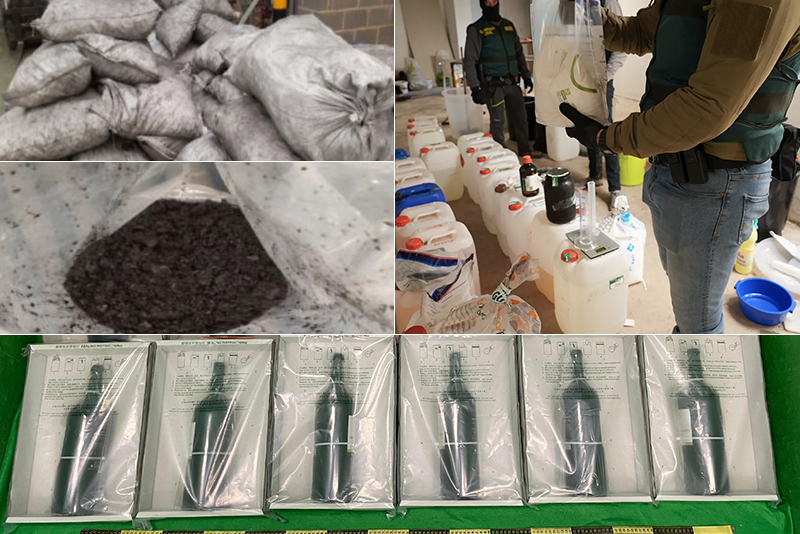
As the global demand for cocaine continues to grow, trafficking gangs are using sophisticated modern chemical processes to move huge quantities of the drug undetected through ports and airports, and across other international borders. In this three-part series Policing Insight’s Chris Dalby looks at how the new techniques are beating traditional detection methods, the expansion of extraction labs across Europe, and what steps police can take to tackle the problem.
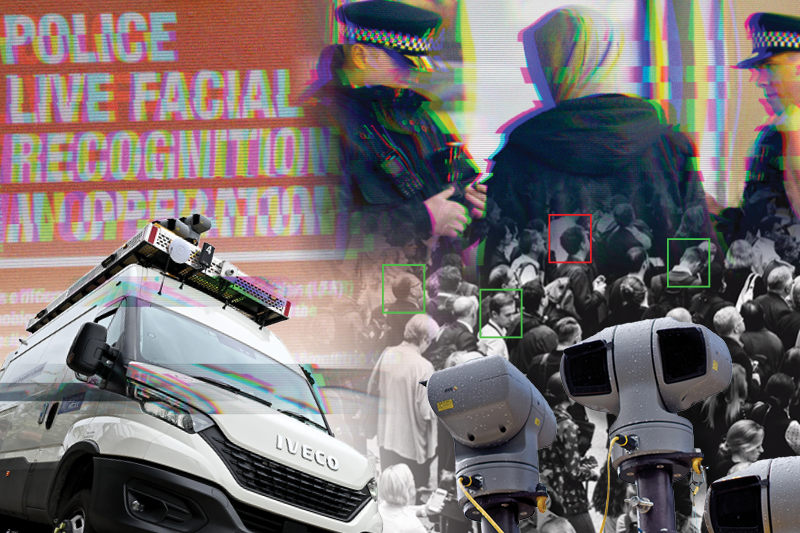
A series of articles covering The Policing Tech Forum webinars looking at the current and future direction of technology across the policing and delivered in collaboration with the National Police Chiefs’ Council and techUK with support from Policing Insight and PolicingTV.
With policing resources under continuing pressure, the 2022/23 financial year is now underway, prompting renewed focus on how police forces are funded across the UK. In these articles focusing on police funding, Policing Insight’s Ian Wiggett reviews the core funding streams from the respective central and devolved governments, explores why some forces and communities feel unfairly treated and has a close look at the income raised locally by the forces of England and Wales through the policing precept.
ADVERTISEMENT SERIES: Learn how your force can implement digital evidence management systems effectively to save time and money, and see how forces in the UK are using Axon Evidence to efficiently manage all forms of evidence from various sources for higher efficiency and satisfaction rates.
In recent years debates around professionalising policing, the need for officers and new recruits to be educated to degree level, and how previous experience and learning should be recognised, have prompted strong comments and opinions in England and Wales as well as other countries; this series brings together many of the key discussions and developments around this issue that have appeared in Policing Insight since the subject first hit the headlines in 2015.
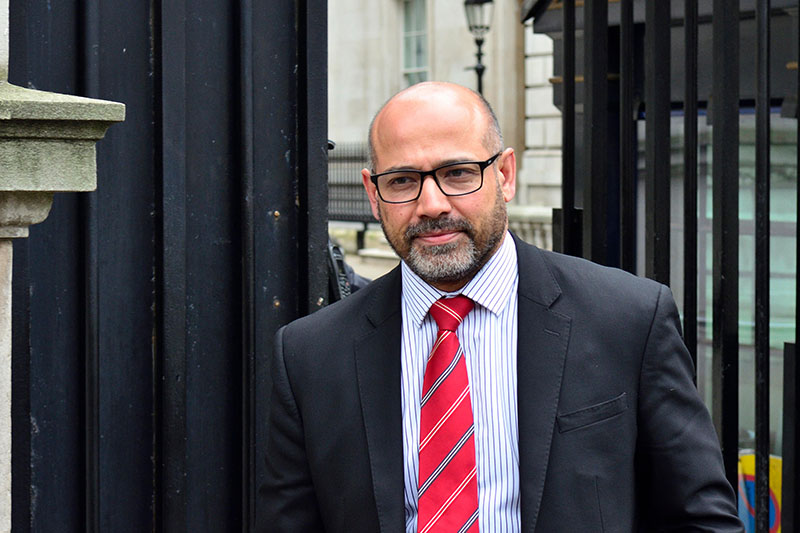
A series of articles based on an in depth interview with former Metropolitan Police Assistant Commissioner and National Police Chief’s Council Lead for Counter-Terrorism Policing Neil Basu QPM, one of the country’s most outspoken former senior cops. He discusses Police and Crime Commissioners, the Casey review, leadership, the current Met Commissioner Sir Mark Rowley as well as institutional racism and the effectiveness of the Police Race Action Plan.
We look at the Global Law Enforcement & Public Health Association (GLEPHA) series of reports which form part of the ‘Envisaging the future of policing and public health’ project, covering a range of topics including violence prevention, diversion, and policing mental health.
ADVERTISEMENT SERIES: Motorola Solutions’ digital policing platform gives frontline officers on-the-go access to workflows, databases and other valuable information on their handheld device. This series of articles reveals how Pronto’s unified mobile interface enhances task performance by optimising officers’ access to critical resources.
The aim of this series of features is to get the thoughts and opinions of those involved in the policing data process – from practitioners past and present, to national leads, subject matter experts and academics – on the challenges around resources and technology, the potential for the latest tech to help police meet them, how law enforcement can ensure community buy-in, and the likely roadmap for the police use of data in intelligence and investigations over the next few years. The ‘Police Data Challenge’ is an independent editorial series researched and written by Policing Insight and commissioned by Cognyte.
ADVERTISEMENT SERIES: Discover how AI, the cloud, and next-gen control room and mobile technologies are helping police forces modernise operations and response. Hexagon experts discuss how agencies can respond to changing citizen expectations, streamline workflows, and improve decision making.
Professor Lawrence Sherman, the Metropolitan Police Service’s first Chief Scientific Officer, talks to Policing Insight about the benefits that a scientific, evidence-based policing approach can bring to issues such as stop and search, violence against women and girls, and ensuring the highest standards of police conduct.
The contentious nature of policing inevitably gives rise to some complaints, and how those complaints are handled has been an issue of concern for both the public and police in the UK. In this series, Dr Rob Heaton and Professor Stephen Tong review the police complaints process, including how and why they arise, the nature and psychology of disputes, why attempts to reform the system have so far fallen short, and how similar conflict is resolved in other sectors and why. Finally, they point to some ways forward that could help to achieve a fair, open and more effective mechanism for dealing with misconduct.

Against a backdrop of unprecedented rising violence in 2020 – with murders across the biggest 65 cities in the US increasing collectively by a third – Professor Peter Moskos, a former Baltimore police officer, launched the Violence Reduction Project; a series of essays from practitioners, experts and academics.